Finding the Right Control Package
Performance Measurement
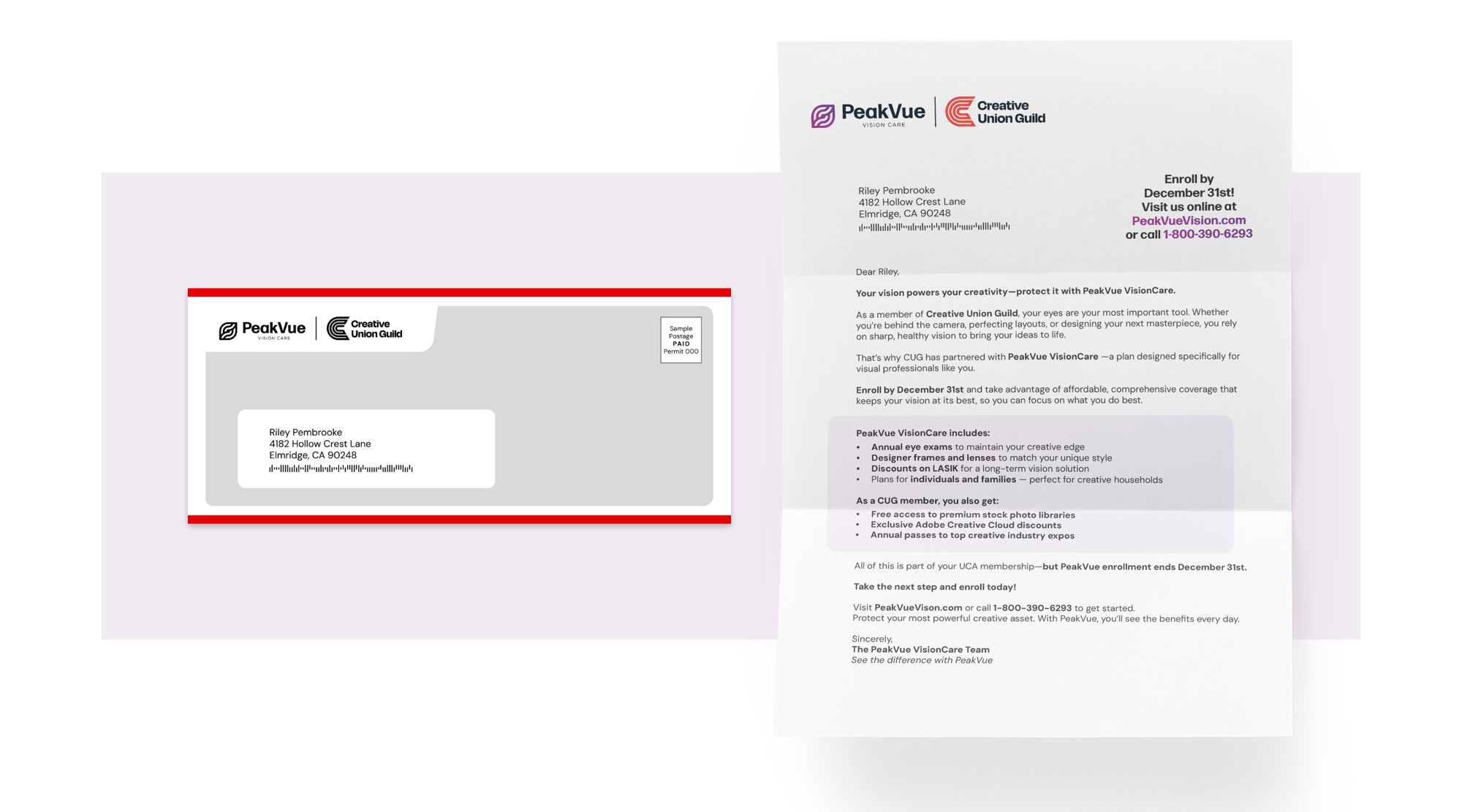
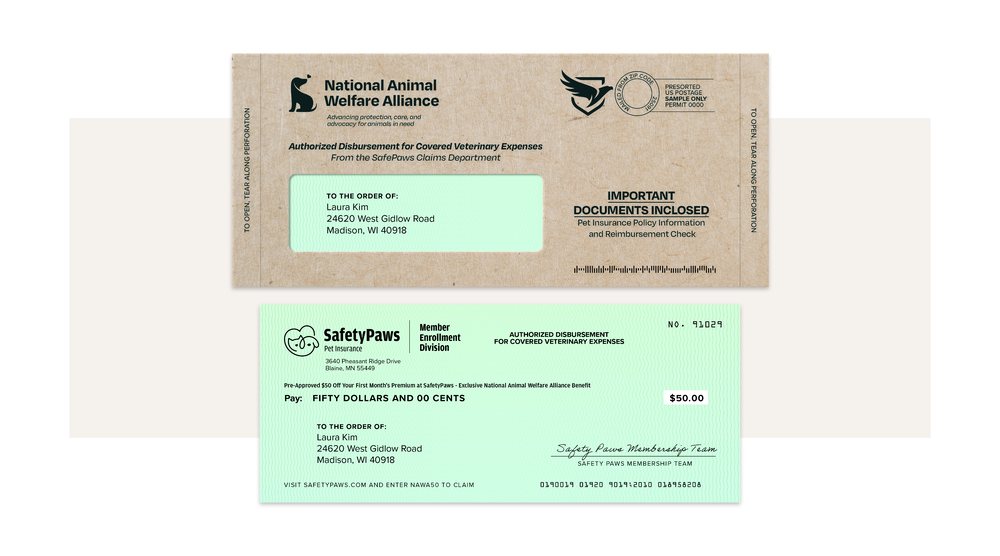
In insurance marketing, the format of your direct mail piece influences how your message is perceived before a word is even read. The right control package helps establish trust, communicate importance, and support the decision-making process behind complex insurance products.

Want to Lower Your Cost Per Acquisition?
Finding the right control package is only the beginning. The real performance gains come from testing and refining what works. Small changes in format, messaging, personalization, audience targeting, and offer strategy can dramatically improve response rates and lead quality over time.
That is why Streamworks offers two ways to improve direct mail performance:
Response Insights™
Move beyond traditional A/B testing with a structured approach to measuring direct mail performance. Using campaign regression analysis, Response Insights measures how audience, offer, creative, and format influence results, providing actionable guidance to improve future campaigns.
Why Format Matters
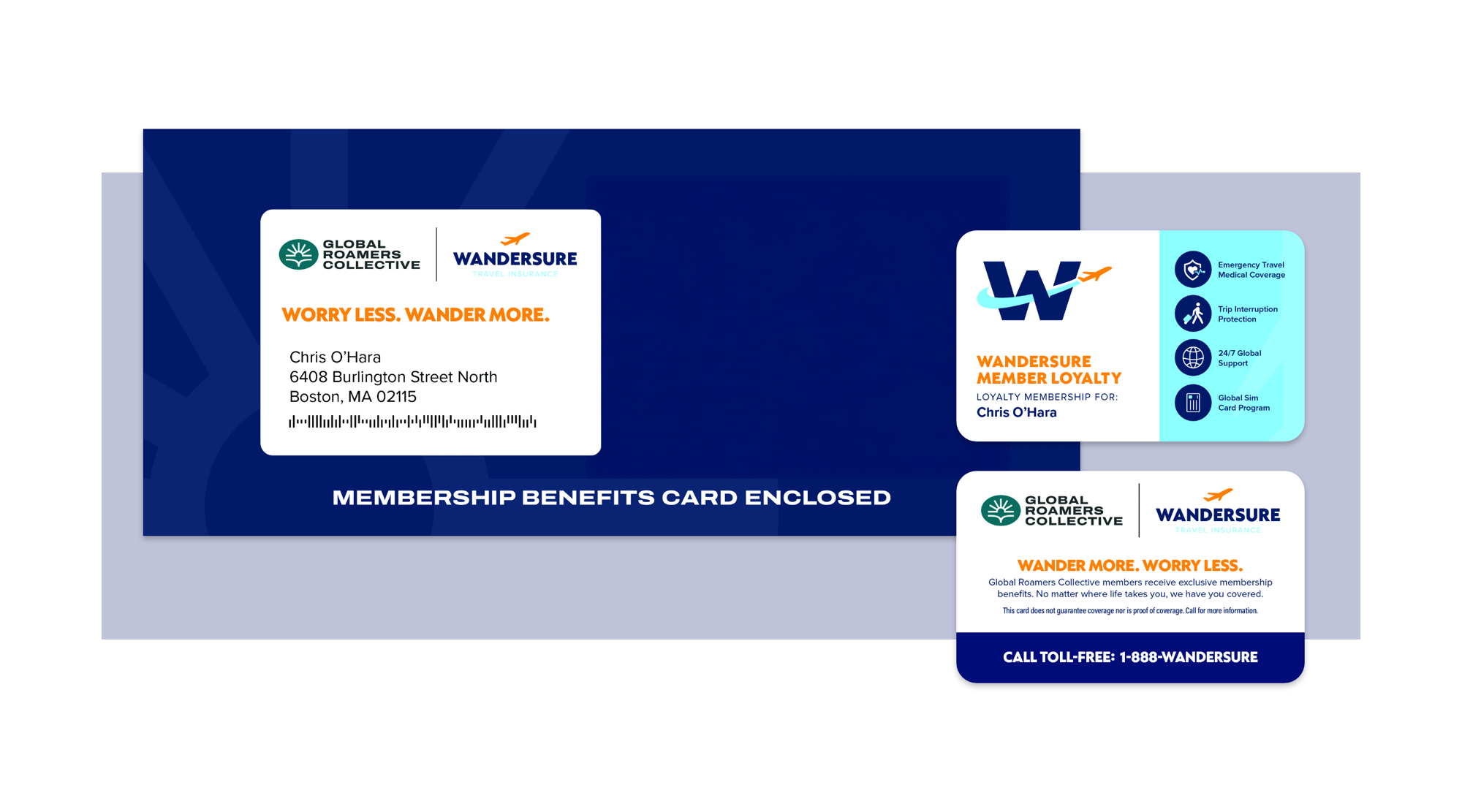
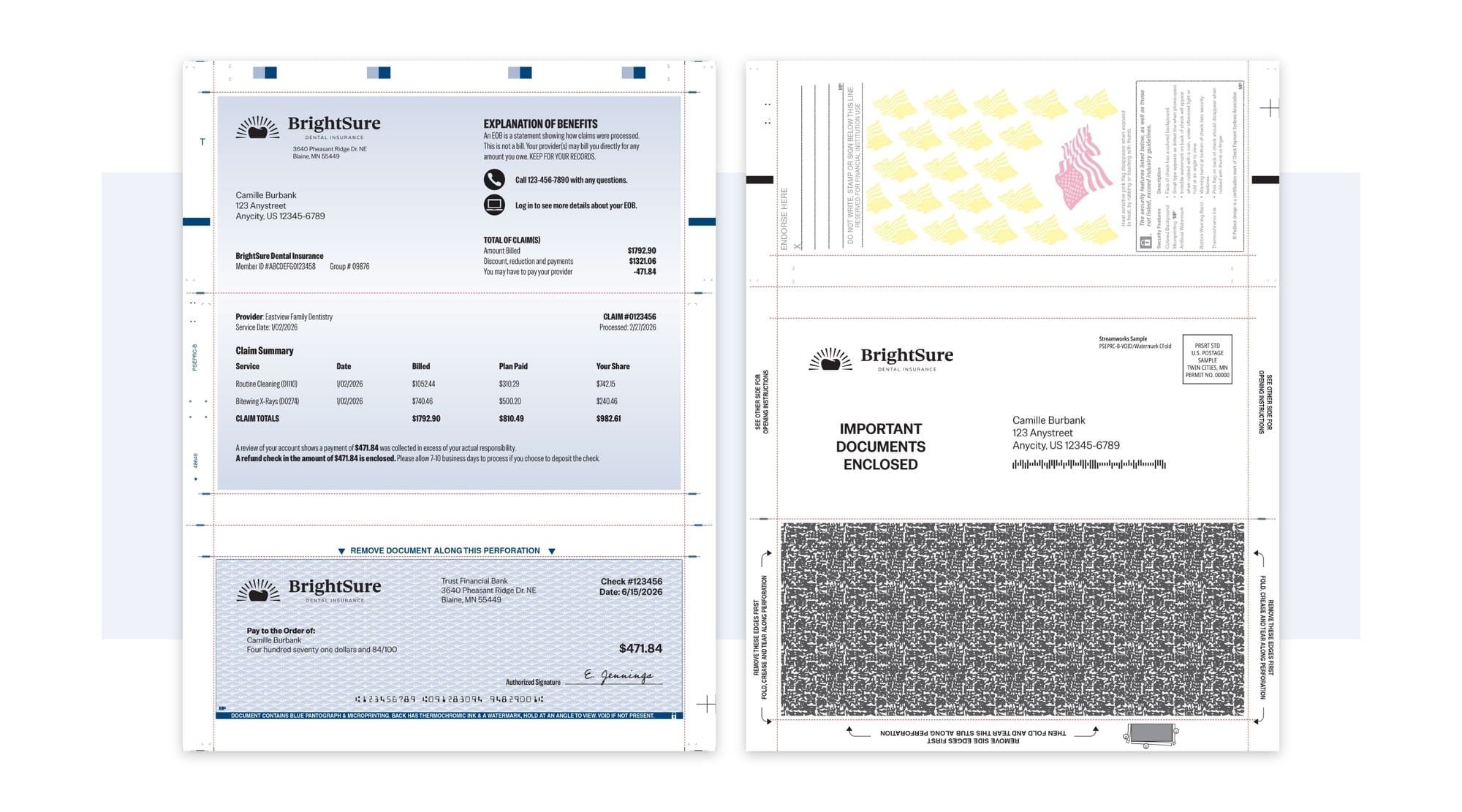
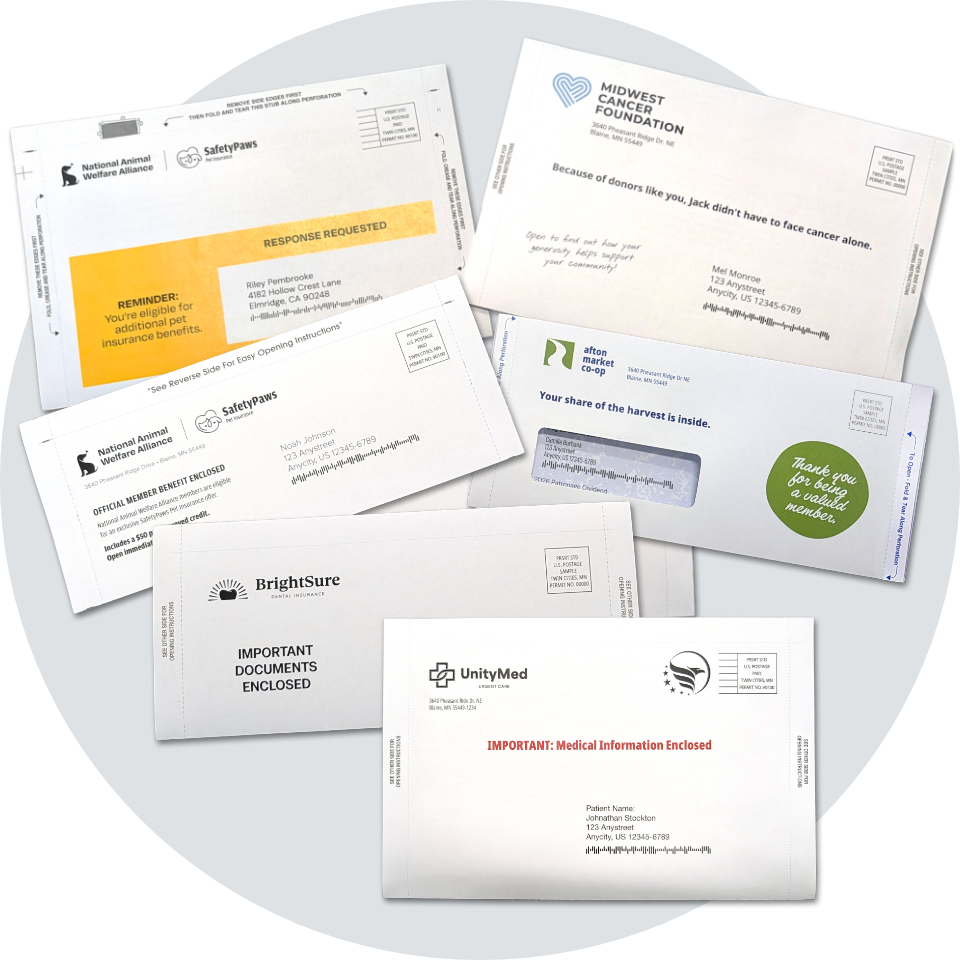
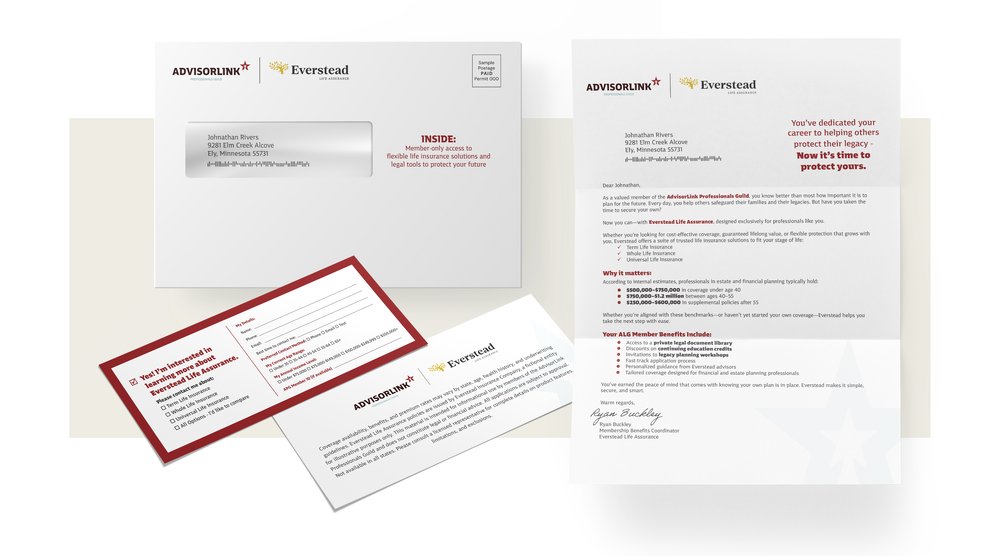
Formats Designed for Insurance Campaigns
Snap Packs
Explore Our Direct Mail Resource Library
Let's Connect
Frequently Ask Questions
A control package is the current best performing direct mail, email, or fundraising package that serves as the benchmark for future campaigns. It is the version that has generated the strongest response rates, donations, sales, or ROI based on actual results.
Marketers use a control package as the "champion" against which new creative concepts, messaging, formats, offers, or audience strategies are tested. Any new version, often called a test package or challenger package, must outperform the control before it becomes the new benchmark.
For example, if a nonprofit's year end fundraising letter consistently generates a 6% response rate and an average gift of $85, that package becomes the control. Future tests might evaluate a different envelope teaser, letter format, ask string, or personalization strategy to determine whether performance can be improved.
Why are control packages important?
- Provide a proven baseline for measuring success
- Reduce risk when testing new creative approaches
- Help identify which changes truly improve performance
- Support continuous optimization of fundraising and marketing campaigns
In direct response marketing, successful organizations rarely reinvent every campaign. Instead, they build on proven controls and make strategic, measurable improvements over time.
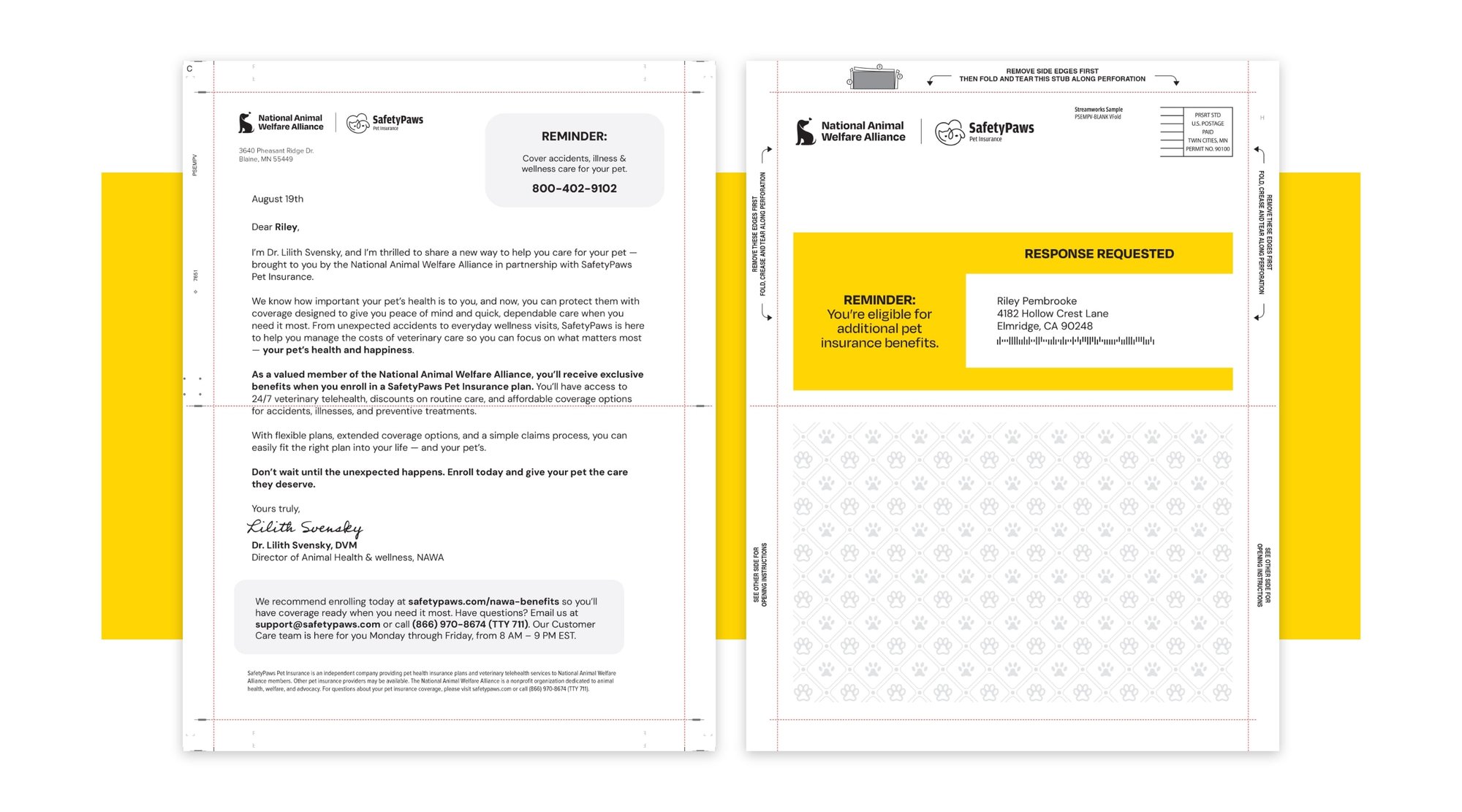
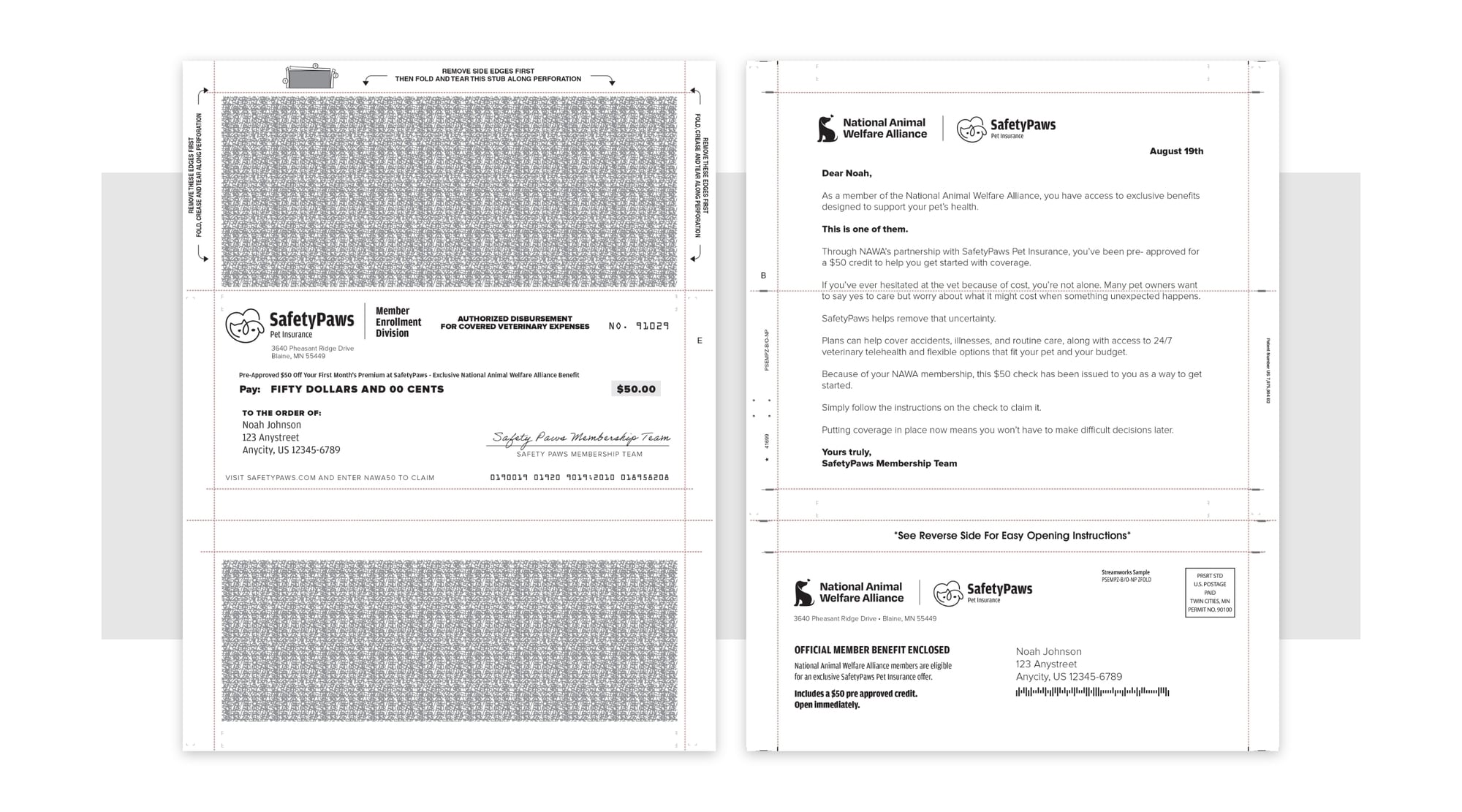
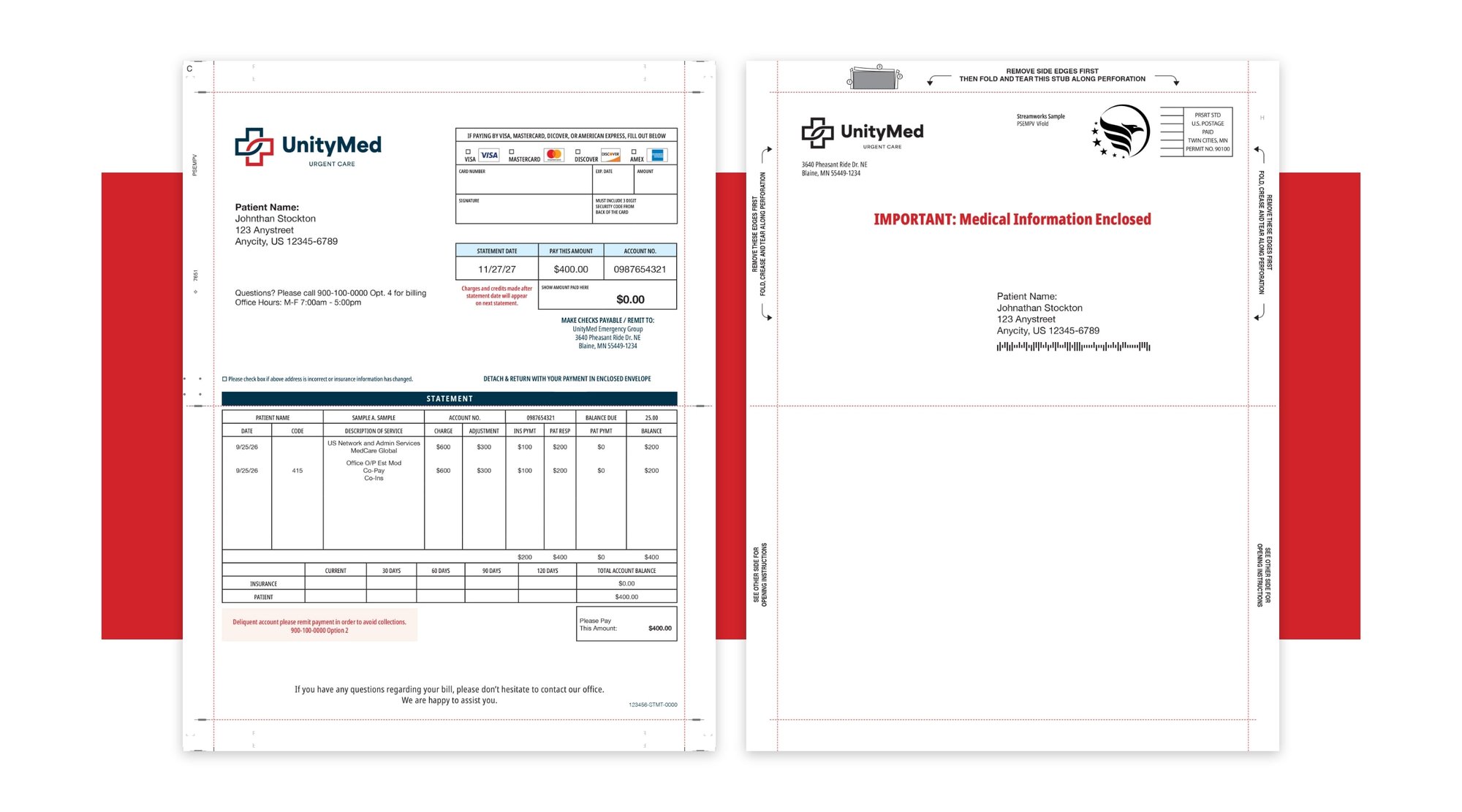
A Snap Pack is a direct mail format that consists of a printed document sealed between layers of paper or film, creating a self contained mail piece that recipients open by tearing off perforated edges. Because no envelope is required, the recipient immediately sees key information and messaging when the mail piece arrives.
Snap Packs are commonly used for billing statements, insurance communications, membership renewals, healthcare notifications, and direct response marketing campaigns because they often achieve high open rates and can create a sense of importance or urgency.
Why do marketers use Snap Packs?
- High visibility in the mailbox since there is no outer envelope
- Typically generate strong open rates because recipients are curious about the contents
- Cost-effective compared to multi-piece envelope packages
- Can be highly personalized using variable data printing
- Ideal for time-sensitive offers, renewals, statements, and donor appeals
Are Snap Packs effective for fundraising and direct response?
Snap Packs can be highly effective when the message benefits from urgency, personalization, or an official appearance. They are often tested against traditional envelope packages to determine which format generates the strongest response rate, conversion rate, or return on investment.
Yes. Letter packages remain one of the most effective direct-response formats, especially for fundraising, membership renewals, donor cultivation, and lead-generation campaigns. While digital channels continue to grow, direct mail consistently delivers higher response rates and stronger engagement than many online marketing tactics.
Industry research shows that direct mail response rates average around 4.4%, and letter packages often outperform postcards and other mail formats because they provide more space for storytelling, personalization, and a compelling call to action. For many organizations, a well-crafted letter package continues to serve as the control package against which new creative concepts are tested.
The most successful organizations don't choose between direct mail and digital marketing. They use both together, allowing direct mail to drive attention and emotional engagement while digital channels make it easy for recipients to respond.
What is the biggest change in insurance marketing over the last five years?
The biggest change has been the move from broad demographic marketing to highly personalized, data-driven customer journeys. Today's insurance marketers use customer data, predictive analytics, digital behavior, and AI-powered insights to deliver more relevant messages based on an individual's needs, life stage, and buying intent.
Rather than relying on a single channel, insurers now coordinate direct mail, digital advertising, email, websites, and agent communications to create a seamless experience. The result is more personalized marketing, better customer engagement, and improved acquisition and retention performance.
For a Streamworks audience, I would also consider positioning this as "the convergence of data, direct mail, and digital channels" because that's where many carriers, brokers, FMOs, IMOs, and affinity programs have seen the largest practical change in execution and results.
If there is one factor that consistently determines the success of a direct mail campaign, it's sending the right message to the right audience at the right time.
Many organizations focus heavily on creative design, paper stock, or mail format, but audience targeting typically has a much greater impact on results. Even the most compelling offer will struggle if it's delivered to the wrong people, while a simple package can perform exceptionally well when it reaches an audience with a genuine need, interest, or connection to the message.
Successful direct mail campaigns are built on:
- Quality audience data and segmentation
- A relevant offer or call to action
- Personalized messaging
- Clear response mechanisms
- Consistent testing and optimization
The best direct mail marketers don't try to create the perfect campaign on the first attempt. They continually test audiences, offers, formats, and messaging to identify what resonates most and use those insights to improve future results.
In direct response marketing, audience targeting is often responsible for more campaign success than the creative itself. That's why many of the highest-performing campaigns start with data and strategy before a single piece of mail is designed.